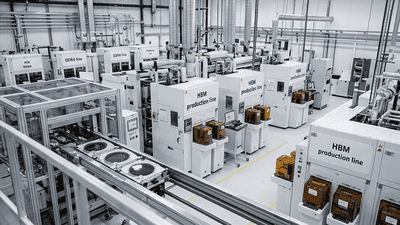
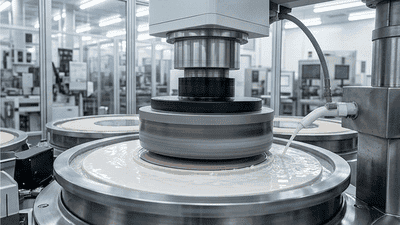
High-Bandwidth Memory (HBM) adoption accelerated rapidly between 2022 and 2026 as AI, HPC, and advanced graphics drove demand for on-package, ultra-high-bandwidth memory. While attention has rightly focused on wafer and packaging capacity—fabs, interposers, and OSAT lines—another set of constraints has quietly become a systemic risk: shortages in key auxiliary materials, notably gas-phase metal-containing chemicals (GMCs) used in advanced deposition and surface treatments, and electrically conductive/thermally managed materials (EMCs) used in thermal interface and conductive adhesives.

Defining the shortages: what are GMC and EMC?
For clarity, the article uses two shorthand categories often discussed internally in the HBM ecosystem:
- GMC (gas-phase metal-containing chemicals): High-purity, low-contamination precursor gases and organometallic compounds used in atomic layer deposition (ALD), chemical vapor deposition (CVD), surface activation, and certain hybrid-bond surface treatments. Examples include specialized copper precursors, nickel precursors, tungsten precursors, and advanced organometallic compounds tailored for sub-nanometer films and barrier layers.
- EMC (electrically conductive/thermally conductive materials): A broad class covering thermally conductive but electrically insulating interlayer films, electrically conductive adhesives for power and ground connections, thermally enhanced underfills, polymer composites filled with boron nitride or graphene, and engineered phase-change interface materials used for high-performance TIMs and microfluidic seals.
Both GMC and EMC are not single-component commodities; each represents multiple specialized chemistries and formulations with strict impurity, particle, and outgassing specifications. In HBM manufacturing and advanced packaging, those specifications are unforgiving—small deviations cause yield loss or long-term reliability failures.
Why GMC shortages matter for HBM
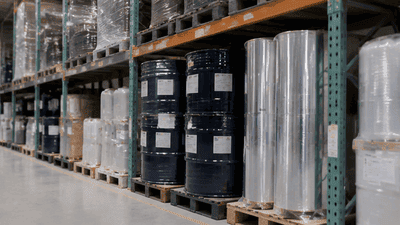
HBM modules rely on extremely fine-pitch interconnects and low-loss dielectric stacks. GMCs are central in multiple critical steps:
- ALD/CVD thin films: High-quality barrier and seed layers for TSVs, hybrid-bond surfaces, and RDL require tailored gas precursors to deposit ultra-thin, conformal films at low defectivity.
- Surface activation and passivation: Hybrid bonding needs surfaces with precisely controlled chemistry; GMC-based plasma chemistries and organometallic treatments enable low-temperature, residue-free activation.
- Seed metallurgy: Copper seed layers for fine-pitch bonding and plating baths often depend on specialized gas-phase precursors for uniform nucleation and defect control at sub-micron pitches.
Shortages in GMP-grade GMCs (extremely low ppm-level metal contamination and nanoparticle limits) translate directly into higher defect densities during bonding and TSV formation, long rework cycles, and lower finished-module yields—magnifying the cost and time to volume for HBM production.
Why EMC shortages matter for HBM
EMCs occupy a different but equally critical role: they manage heat, mechanical stresses, and electrical continuity in stacked, hybrid-bonded packages.
- Thermal interface materials: HBM stacks concentrate heat in small areas; high-performance TIMs that are electrically insulating yet thermally conductive are required to move heat from dies into interposer or cold-plate solutions.
- Underfills and adhesives: Thin, low-stress underfills protect hybrid bonds and micro-bumps while preserving fine pitch. New EMC formulations balance mechanical compliance with thermal conduction and dielectric strength.
- Conductive adhesives and anisotropic films: Power and ground connections across stacked packages need adhesives that provide low-resistance paths while withstanding thermal cycling and electromigration risks.
Shortfalls or inconsistent quality in EMCs increase thermal resistance, raise operating temperatures (reducing reliability and triggering throttling), and elevate mechanical stress that leads to micro-cracking or bond failure—again reducing yields and increasing warranty and field-reliability costs.
Where the supply gaps emerged

Between 2023 and 2026 several industry dynamics combined to create GMC and EMC shortages:
- Rapid, concentrated demand growth: HBM ramp projects and associated packaging investments were concentrated among a few suppliers and regions, producing sudden, outsized demand for specialized consumables.
- Export controls and trade frictions: Restrictions on certain high-purity chemical exports and equipment exacerbated shortages by limiting alternative sourcing for some precursors and specialty polymers.
- Limited supplier base: Only a handful of chemical companies produce some of the highest-spec GMC precursors or advanced EMC formulations at the quality required for HBM, creating single points of failure.
- Qualification lag: EMC and GMC suppliers cannot simply scale capacity overnight—qualification cycles for ultra-high-purity production and contamination control are lengthy, slowing supply response.
- Byproduct and upstream feedstock constraints: Some GMCs require rare feedstocks or sophisticated synthesis routes that themselves experienced bottlenecks (e.g., metal-organic reagents under constrained production lines).
These combined forces meant that even memory makers with wafer capacity sometimes ran short on the consumables that enable successful packaging and finishing of HBM modules.
Operational impacts on the HBM supply chain
The practical effects of GMC and EMC shortages were broad and immediate:
- Lower finished-module yield: Packaging lines experienced higher scrap and rework rates, extending time-to-volume for new HBM products and increasing per-unit COGS.
- Increased cycle times: Cleaning, activation, and deposition steps needed slower or repeated cycles when alternative or lower-spec chemicals were used, reducing throughput.
- Allocation decisions: Suppliers prioritized higher-margin customers and strategic contracts, causing allocation frictions for secondary customers and slowing broader market adoption.
- Rising costs: Price spikes for scarce GMC/EMC components and premium for expedited shipments increased per-unit manufacturing costs, which were often passed to customers or absorbed as margin erosion depending on contract terms.
- Quality and reliability concerns: Substitutes or downgraded material lots sometimes caused latent reliability problems discovered only after extended thermal cycling or in-field operation, increasing warranty exposure and reputational risk.
In aggregate, material shortages acted as a multiplicative bottleneck: wafer capacity alone could not realize finished HBM module supply without steady, high-quality flows of GMC and EMC materials.
Economic consequences across the value chain
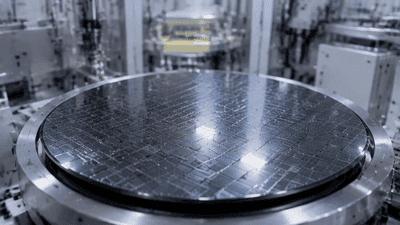
Beyond operational slowdowns, material shortages had economic ripple effects:
- Margin pressure: While finished HBM modules command premiums, rising material costs and lower yields compressed gross margins until supply normalized.
- Capex re-prioritization: IDMs and OSATs delayed some packaging line expansions until consumable supply was assured, changing near-term capex patterns and capacity forecasts.
- Supplier bargaining power: Niche chemical suppliers with scarce GMC/EMC formulations gained pricing power and negotiating leverage, influencing long-term supplier agreements and vertical integration decisions.
- Investment in verticalization: Some large memory makers and hyperscalers began exploring co-investment or direct ownership stakes in critical material suppliers to secure supplies, driving M&A and strategic partnership activity in the chemicals and materials sectors.
These financial dynamics led to careful reassessments of supply risk in corporate strategy meetings and investor models across the ecosystem.
Real-world examples and anecdotal evidence
Several illustrative (anonymized) cases highlight how material shortages affected delivery and cost for HBM projects:
- Case A — Packaging ramp delay: An OSAT in Southeast Asia had to slow an HBM3e assembly line because a key copper-organometallic precursor backlog caused plating defects. The net effect was a two-month delay in customer deliveries and a temporary allocation of finished modules to larger strategic customers.
- Case B — Thermal reliability issue: A switch to an alternative thermally conductive polymer lot—necessitated by normal supplier lead-time—resulted in higher-than-expected thermal resistance in early HBM4 pilot units, triggering rework and stricter pre-shipment thermal validation for subsequent lots.
- Case C — Strategic stockpiles: A major IDM negotiated long-term supply contracts and prepayments with a specialty-chemical producer, securing capacity that allowed it to continue HBM shipments while smaller firms struggled to obtain sufficient materials.
These examples underscore how sensitive advanced packaging yields are to the smallest shifts in material quality and availability.
Mitigation strategies for companies
Responding to GMC and EMC shortages requires a multi-pronged approach across procurement, engineering, and strategy:
- Diversify qualified suppliers: Develop redundant supply chains with multiple qualified vendors and maintain tiered-approved lists for rapid substitution when necessary.
- Long-term contracts and prepayments: Secure capacity via multi-year agreements and structured prepayments that give material suppliers capital to expand constrained production lines.
- Strategic stockpiling and safety inventories: Maintain safety stocks of critical consumables with strict lot-traceability; however, balance inventory costs and shelf-life constraints for sensitive chemistries.
- Co-development and co-investment: Partner with key material suppliers on process qualification and capacity buildouts; consider minority investments or joint ventures to ensure priority access.
- Qualification of alternative chemistries: Invest in R&D to validate alternative precursor chemistries or EMC formulations that are easier to source locally or across multiple geographies.
- Supply-chain visibility and analytics: Implement real-time monitoring of material lead times, lot yields, and contamination events to proactively adjust production schedules and avoid line stoppages.
These strategies vary in cost and lead time—some (e.g., stockpiling) are immediately actionable, while others (e.g., co-investment) are medium- to long-term commitments that require board-level approval.
Policy interventions and industry coordination
Given the strategic importance of HBM to AI and HPC ecosystems, policymakers and industry consortia can play a role in mitigating material shortages:
- Incentivize domestic production: Targeted subsidies, tax incentives, or low-cost financing for producers of critical GMC/EMC materials can accelerate capacity additions where supply is geopolitically sensitive.
- Support qualification labs and testbeds: Shared facilities that accelerate materials qualification reduce duplication and shorten time-to-market for verified alternatives.
- Facilitate cross-border partnerships: Where geopolitics allows, coordinated procurement agreements between allied countries can stabilize demand and encourage diversified production footprints for critical consumables.
- Encourage standards and transparency: Industry standards for impurity and particle levels, combined with transparent reporting of lead times, help buyers evaluate risk and make informed procurement choices.
Policy measures must balance industrial security with market efficiency; targeted interventions that address clear single points of failure are more effective than broad protectionism.
Longer-term solutions and R&D directions
Beyond crisis mitigation, the industry is pursuing R&D and structural changes that reduce reliance on scarce GMC and EMC items:
- Alternative deposition and surface treatments: Research into plasma-enhanced processes or dry-transfer techniques that require less specialized precursors could reduce GMC dependence.
- Novel thermal materials: Development of new classes of fillers (e.g., aligned boron nitride, engineered graphene stacks, or ceramic nanocomposites) that are easier to manufacture at scale and tolerate supply variability.
- Process robustness: Packaging and wafer-process design that is less sensitive to small variation in consumable properties—via redundant process steps or higher process margins—reduces fragility during supply disruptions.
- Recycling and circular supply models: For some metal-containing organics, recovering and reprocessing byproducts into usable feedstock can create partial internal sources of critical precursors over time.
Such R&D takes time, but incremental improvements in process tolerance and material portfolios can materially reduce systemic risk over several technology cycles.
Practical checklist for procurement and engineering teams
To operationalize preparedness for GMC/EMC shortages, teams should adopt a practical checklist:
- Map single points of failure: Identify materials with single-source exposure or long lead times and prioritize them for mitigation.
- Qualify alternatives early: Run pre-qualification programs for alternative chemistries during low-volume seasons so suppliers are ready when shortages occur.
- Establish minimum safety stock levels: Use yield and lead-time data to set dynamic safety stock policies for critical consumables.
- Negotiate supply covenants: Include priority allocation clauses in long-term contracts to ensure critical production continuity under constrained supply.
- Invest in contamination control: Improve facility cleanliness and inline monitoring to maximize yield even when material variability occurs.
- Coordinate with customers: Communicate realistic lead times and expected allocation strategies to anchor customers to reduce surprise and rework.
Outlook and closing thoughts
As HBM becomes central to high-performance compute stacks, the health of its supply chain depends not only on fabs and packaging lines but also on a web of highly specialized auxiliary materials. GMCs and EMCs are essential enablers; their shortages in 2024–2026 revealed a brittle underlayer of the ecosystem. Addressing this fragility requires coordinated action from manufacturers, OSATs, materials suppliers, equipment vendors, customers, and policymakers.
Short-term responses—stockpiling, long-term contracts, supplier diversification, and co-investments—can stabilize supply and avert production halts. Medium- and long-term solutions—domestic production capacity, standards, process robustness, and new materials innovation—will reduce systemic risk and lower the total cost of ownership for HBM-based systems. For suppliers and integrators, the key is to treat materials risk as a first-order strategic variable rather than an operational afterthought: the difference between wafer output and finished HBM modules increasingly rests on the ability to secure and qualify the right consumables at scale.